

Meet Brunilda and Esaias
One ordinary day became the moment their lives were divided into before and after.
For Brunilda and her son Esaias, that ordinary “before” day was a life prior to a brain tumor diagnosis. What should have been routine turned into something most people can’t imagine, and set a family’s “after” into motion.
Brunilda is a mother, a nursing student, a caregiver, and someone who has always believed that compassion should be something people give, not something others must earn.
The Shock
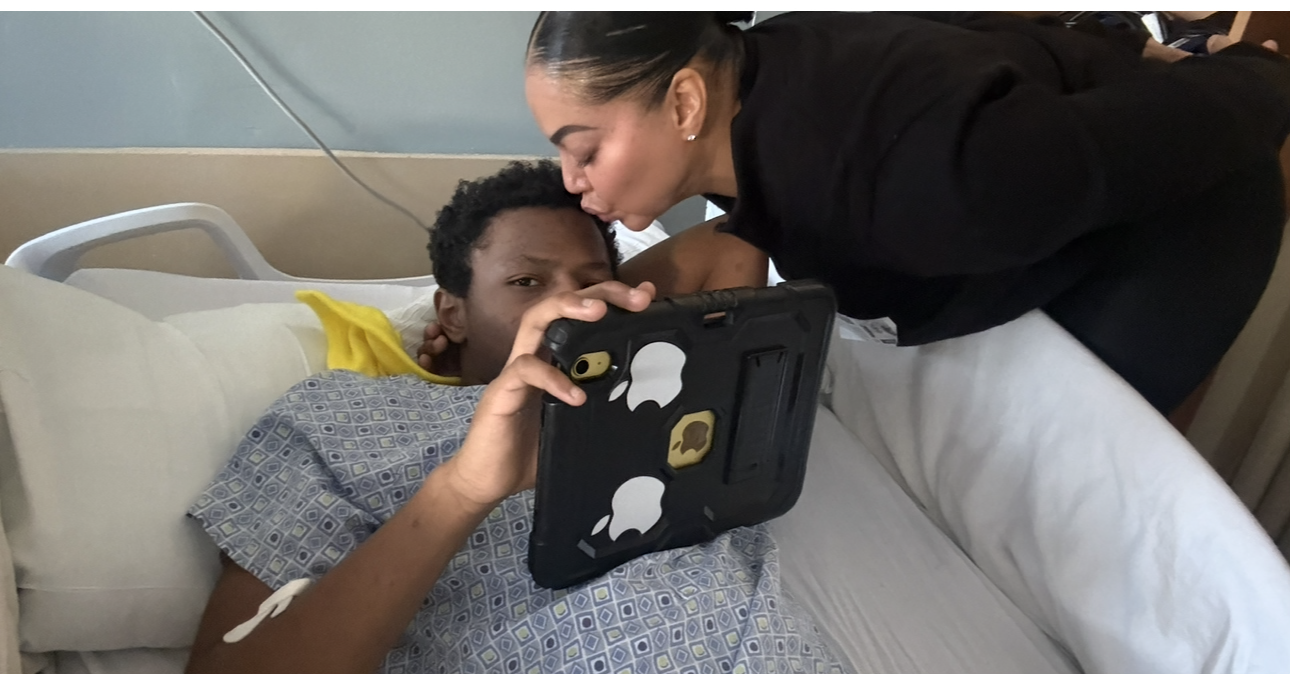
In April 2026, just weeks before his 19th birthday, Esaias had a grand mal seizure which led to a diffuse leptomeningeal glioneuronal diagnosis. The family’s “after” had begun.
What Brunilda Wishes She Had Known
The “after” was terrifying. While Brunilda was terrified of losing her son, Esaias was terrified of losing control over his own life. They were facing the same diagnosis through two different kinds of fear. Brunilda wanted to save her son from everything, but she couldn’t take his place.
Overnight, Brunilda became a mother learning to navigate pathology reports, seizures, treatment decisions, and unimaginable uncertainty. She never expected to belong to the brain tumor community. But she is here because her son is here. After all, his dreams still matter, and no family should face this journey feeling invisible.
Behind every diagnosis is a human being with a life worth protecting, and a family learning how to be brave when their hearts are breaking.
Recovery Isn’t Simply Returning to the Life You Had Before
What Brunilda didn’t yet understand was that surviving surgery would not mean simply returning to the life they had before. No one could have prepared her for watching her son navigate seizures, restrictions, anger, and the loss of independence at the very age he should have been discovering it. Even with so much to be grateful for, they had to learn that recovery can bring grief, too.
Along with that came another hard lesson: caregivers need permission to hurt, too. They are expected to be strong, understand complicated medical decisions, reassure everyone around them, and somehow keep everyday life moving. But beneath that strength is often a frightened parent trying not to fall apart.
Hope and Heartbreak Can Coexist
Brunilda learned that hope and heartbreak can exist in the same moment. A parent can thank God their child survived and still grieve everything the diagnosis has changed. Sometimes courage is simply waking up, facing another uncertain day, and choosing to love through the fear.
The Challenges Are Not Always Visible
What people rarely see is the invisible weight of making decisions that may shape the entire future of someone you love. They see surgeries, medications, and appointments. They don’t see a mother awake at night researching pathology, treatment risks, and recurrence, terrified that something she doesn’t understand could affect her child’s life.
Esaias’s rapidly growing tumor required surgery, and seizures complicated his recovery. Because treatment could also affect his ability to have biological children someday, at just 19 he had to consider fertility preservation. Imagine asking someone who has barely begun adulthood to think about whether he might ever become a father. Every decision seemed to carry consequences far beyond the hospital. Brunilda wasn’t simply trying to understand how to treat a brain tumor. She was trying to protect the young man beyond it: his independence, dignity, dreams, and right to imagine a future that still belonged to him.
The Sacrifices Run Deep
While Esaias was undergoing brain surgery, Brunilda was preparing for nursing school finals. She was studying how to care for someone else’s child while praying that the medical team could save hers. Eventually, Brunilda took a leave of absence to care for Esaias.
But the sacrifice that hurt most wasn’t her own. Her son had to put his education on hold, too. While his friends were leaving for college and discovering freedom, he was recovering from surgery, navigating seizures, and losing his ability to drive. At the age when his world should have been opening, it suddenly became smaller. Brunilda could accept delaying her dreams, but watching Esaias delay his broke something in her.
Illness doesn’t stop bills, responsibilities, or the needs of everyone else who depends on you. Yet through it all, Brunilda still believes their futures are waiting for them. One day she hopes to become the nurse patients remember, and to watch Esaias reclaim the life he deserves to live.
The Heartaches and Burdens Are Real
For Brunilda, the hardest moment was realizing that fighting to protect her son’s life could leave him feeling betrayed by her. During Esaias’s medical crisis, Brunilda had to make the decision that he lacked the capacity to make certain medical judgments independently.
After surgery, Esaias was so angry that he wouldn’t speak to his mom for days. Brunilda remembers sitting outside on a curb, crying. She had prayed desperately that she would hear her child’s voice again, and now the voice she had been so grateful to hear was silent toward her. She wasn’t trying to take his life away. She was trying to make sure he had a life to live.
People call caregivers strong, but sometimes strength looks like a mother crying outside a hospital, wondering whether her child will ever understand. Then she wipes away her tears and walks back inside because he still needs her. That day taught Brunilda that love isn’t always understood in the moment. Sometimes it simply refuses to leave.
The Financial Challenges Were Unexpected
Brunilda never imagined that fighting for her son’s health would also mean fighting to preserve a future he had barely begun to imagine. At 19, Esaias faced the possibility that treatment could affect his fertility. While other young adults were dreaming about careers, relationships, and families, they were confronting the cost of protecting his chance to become a biological father someday.
Brunilda spent countless hours researching grants, gathering documents, and advocating for help, because she couldn’t bear the thought that money might decide whether he had that choice. When a grant came through, she cried with relief. It wasn’t simply an expense being covered. It was a possibility being protected.
Strangers Who Carried the Burden
For Brunilda and Esaias, the people who blessed their family most had never met Esaias, heard his laughter, or known of his dreams. Yet they believed his future was worth protecting.
The family received extraordinary generosity, including substantial financial assistance that lifted burdens Brunilda had been carrying while caring for Esaias. There were donations of all sizes, each just as meaningful, because someone chose to give what they could.
Together, those gifts gave Brunilda something money cannot buy: the ability to breathe, to worry a little less about how she would manage everything, and to focus more fully on her son’s health. They helped preserve opportunities for his future and reminded the family that they were not alone. They didn’t simply help financially; they gave a frightened mother relief, strength, and renewed hope. Brunilda and Esaias will never forget that strangers helped carry burdens they had no obligation to bear.
Financial assistance can do more than relieve hardship. Sometimes it gives a young person back the right to dream.
Be the Stranger Who Shows Up
This is what community can do. A gift can ease a family’s financial burden, connect a patient with a Nurse Navigator, or help someone find the resources they didn’t know existed.
At Head for the Cure, we are committed to supporting patients and caregivers through every stage of their journey, today and tomorrow.